I am missing one tooth. Do I need an implant?
Not automatically. An implant avoids cutting neighboring teeth, while a bridge may suit an area where those teeth already need crowns or surgery is not preferred.
The answer changes with how many teeth are missing, the condition of the neighbors, bone, health, cleaning preferences and budget. Start with your situation, then compare what is fixed, removable and repairable.
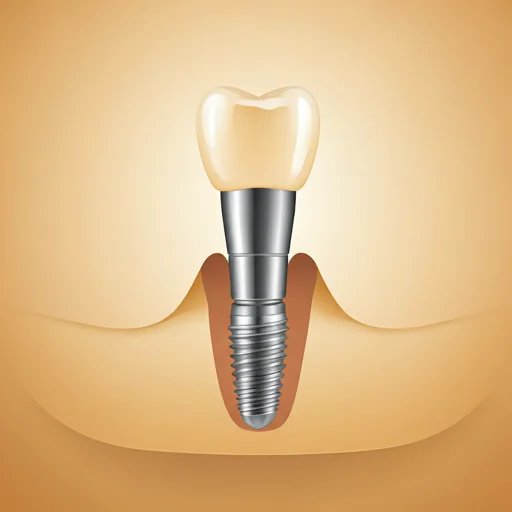
A gap between healthy teeth is a different problem from loose teeth across a whole jaw. These questions place you in the right conversation.
Not automatically. An implant avoids cutting neighboring teeth, while a bridge may suit an area where those teeth already need crowns or surgery is not preferred.
Often no. Strategically placed implants may support a bridge, while a removable partial remains another choice. Bone and bite determine the design.
That decision needs a tooth-by-tooth prognosis. Restorable teeth should not be removed merely to simplify a package; sometimes a mixed or staged plan is better.
Not always. Fit, wear, bite and ridge change should be evaluated first. A reline, new denture, implants or a fixed conversion may be possible.
Treatment names matter less than how the result functions, cleans, repairs and fits your plan over time.
Fixed teeth stay in and are cleaned in place. Removable options come out for hygiene and may be easier for some people to maintain.
The health of neighboring teeth and available bone can make one design more conservative than another.
Implants require surgery and healing; grafting or staged care may be needed. A removable option may avoid or reduce surgery.
Compare the complete written plan, likely maintenance and what happens if a tooth, attachment or prosthesis needs repair.
A complete diagnosis prevents one missing tooth from becoming an oversized plan—and prevents a failing arch from being treated one emergency at a time.
Dr. Tafreshi can evaluate one tooth, several teeth or a full arch and provide a written plan.