Am I Too Old for Dental Implants? What Actually Determines Candidacy
"Am I too old for this?" It is one of the most common questions patients in their seventies and eighties ask about implants — and the evidence gives a reassuring answer. Research on implants in older adults reports success rates comparable to younger patients. Chronological age, by itself, is not a contraindication. What matters is a short list of specific, checkable factors, most of which can be managed or worked around.
Why Age Alone Is Not the Deciding Factor
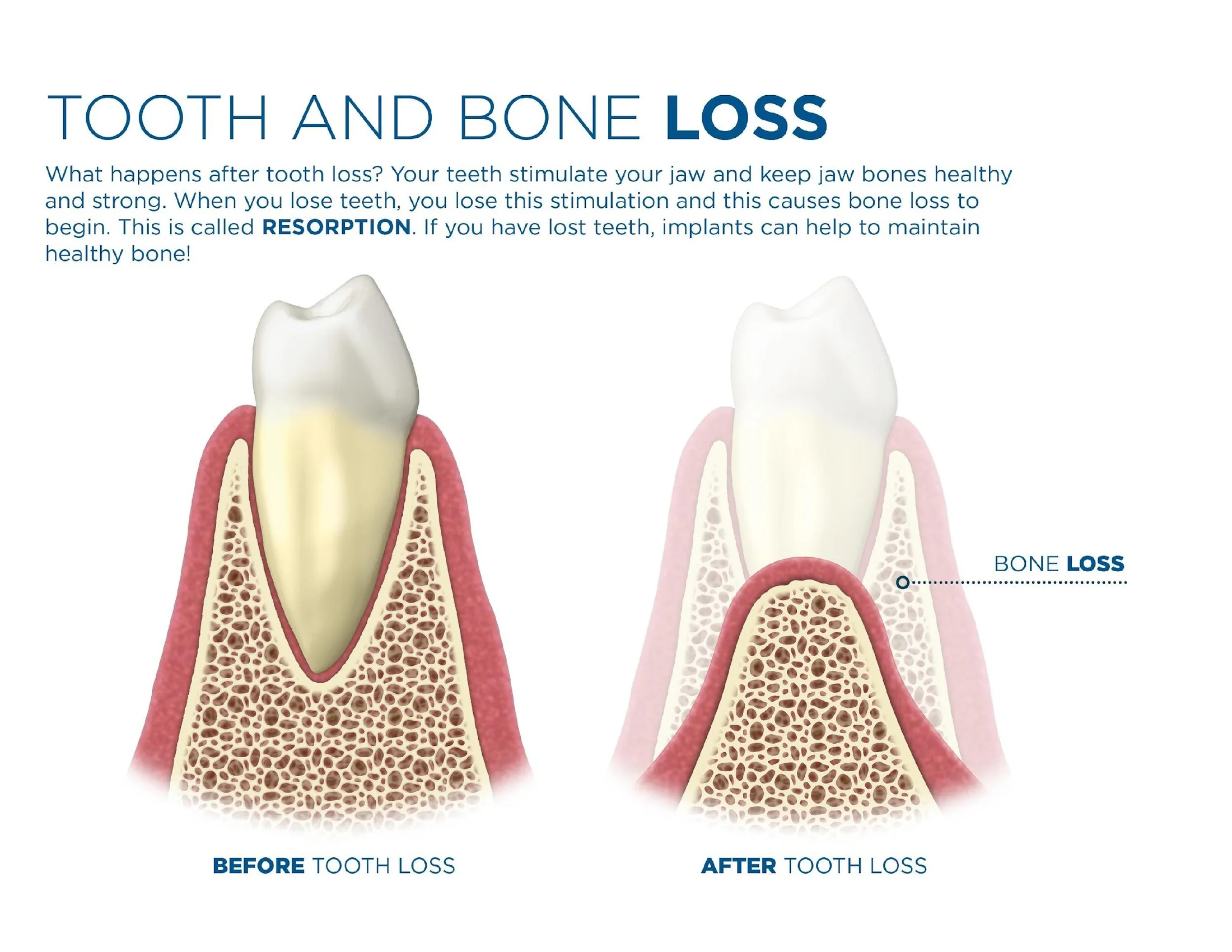
Osseointegration — the process where bone fuses to the titanium post — continues to work in healthy older adults. Bone remodels throughout life, and studies of implants placed in elderly patients show integration proceeding reliably. In fact, the only firm age-related restriction runs the other way: implants are delayed in young patients whose jaws are still growing. There is no upper cutoff. Implant treatment for adults of every age starts from the same question: is this particular mouth, in this particular body, ready to heal?
The Four Factors That Actually Matter
- Bone volume: Teeth missing for many years mean the ridge has had time to shrink. A 3D cone-beam scan measures exactly how much bone remains. Where volume is short, grafting, narrower implants, or strategically angled placement can often solve the problem.
- Medications: The most important category is antiresorptive drugs — bisphosphonates and related medications for osteoporosis. Most patients taking oral bisphosphonates can still receive implants, but the medication type, dose, and duration must be reviewed carefully, sometimes with your physician, because long-term or intravenous use changes the risk calculation for jaw healing.
- Healing capacity: Circulation, nutrition, and immune function influence how predictably the surgical site closes and the bone integrates. These are assessed through your health history rather than your birth date.
- Chronic condition management: Diabetes, heart disease, and osteoporosis do not automatically disqualify anyone. The question is control. Well-managed conditions with stable numbers are routinely compatible with implant surgery; unmanaged ones deserve attention first.
Why Implants Are Especially Valuable Later in Life
There is a case to be made that older adults benefit from implants more than anyone. Long-term denture wearers know the compromises: restricted diets, adhesives, and a lower plate that moves with every bite. As the ridge continues to shrink, those problems worsen. Even two implants supporting implant-retained overdentures can transform a loose lower denture into a stable one — restoring the ability to eat proteins, raw vegetables, and other foods that matter enormously for nutrition in later decades.
Chewing efficiency is not a cosmetic concern at seventy-five. It is directly connected to diet quality, and diet quality is connected to nearly everything else.
What Screening Actually Looks Like
- Health history review: A detailed conversation about conditions, medications, and past healing — the single most informative step.
- 3D imaging: A cone-beam CT scan maps bone height, width, and density, and locates nerves and sinuses precisely.
- Oral examination: Gum health and any remaining teeth are evaluated, since untreated gum disease raises implant risk at any age.
- Physician coordination when needed: For patients on antiresorptive therapy or with complex medical histories, coordinating with your doctor is standard practice, not a red flag.
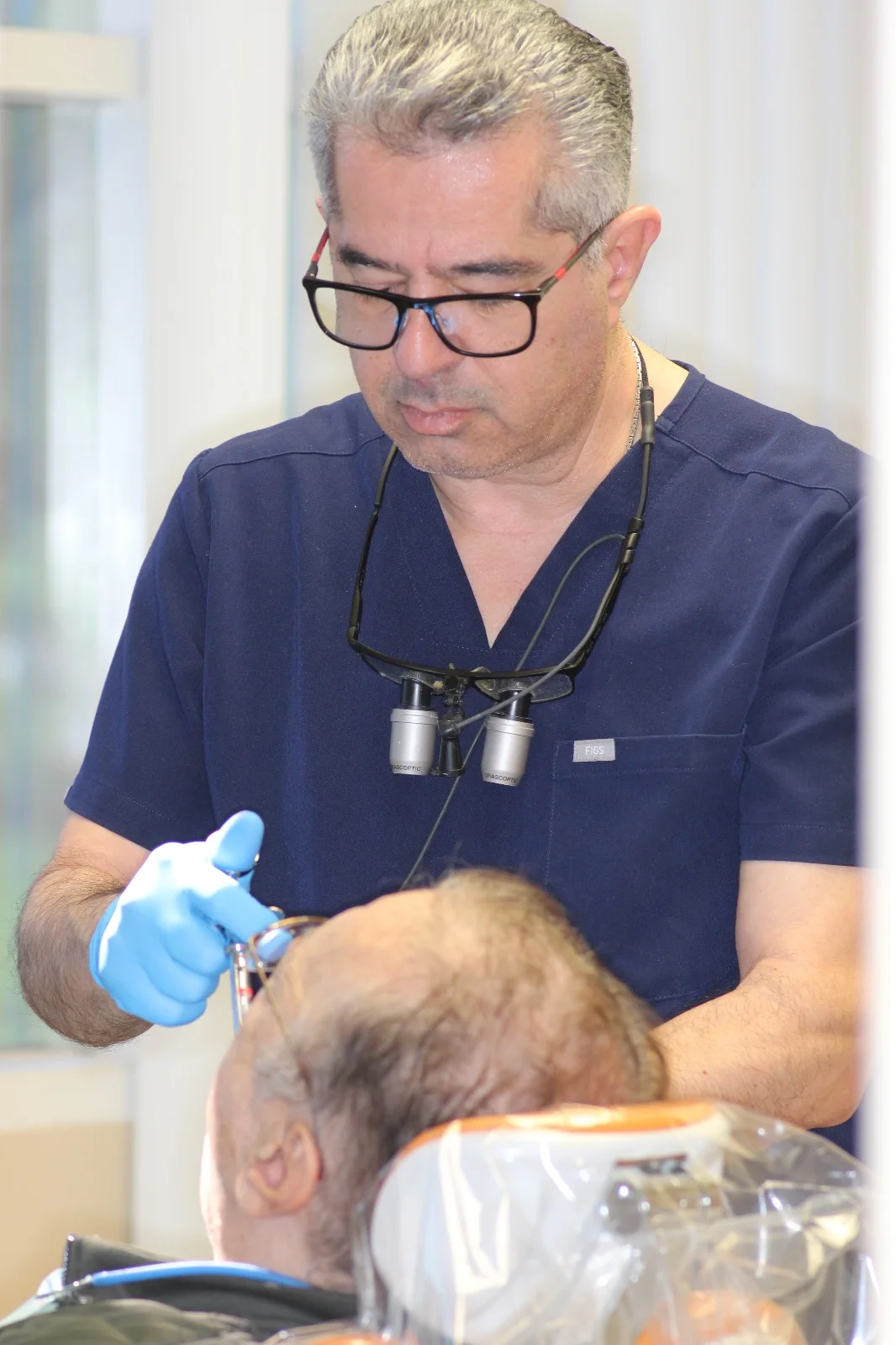
Realistic expectations matter too: healing timelines in older patients are sometimes extended modestly, and treatment plans may favor staged, lower-impact approaches. Dr. Tafreshi frequently plans implant treatment for patients in their seventies and eighties, and the screening described above — not a birth date — is what determines the recommendation.
Considering Dental Implants in Aliso Viejo?
Every smile is unique. Dr. Reza Tafreshi provides comprehensive 3D CT evaluations to assess your bone volume, restoration options (single implants, LOCATOR FIXED™, or All-on-4), and clear pricing before you commit.
- Complimentary 3D imaging & bone density assessment
- Direct coordination with our on-site dental laboratory
- Transparent pricing with zero hidden surcharges
Frequently Asked Questions
Scientific References & Studies
- Srinivasan M, Meyer S, Mombelli A, Müller F. (2017). Dental implants in the elderly population: a systematic review and meta-analysis. Clinical Oral Implants Research, 28(8):920-930.
- Ruggiero SL, Dodson TB, Aghaloo T, Carlson ER, Ward BB, Kademani D. (2022). American Association of Oral and Maxillofacial Surgeons' Position Paper on Medication-Related Osteonecrosis of the Jaws — 2022 Update. Journal of Oral and Maxillofacial Surgery, 80(5):920-943.