How Long Do Dental Implants Last? What Long-Term Studies Show
Before committing to an implant, most patients want one number: how long will it last? The research offers a genuinely encouraging answer. Systematic reviews pooling long-term studies have reported implant survival rates above 90% at ten or more years of follow-up. No dental treatment can promise a lifetime, but few restorative options have long-term evidence this consistent.
What "Survival" Means in the Research
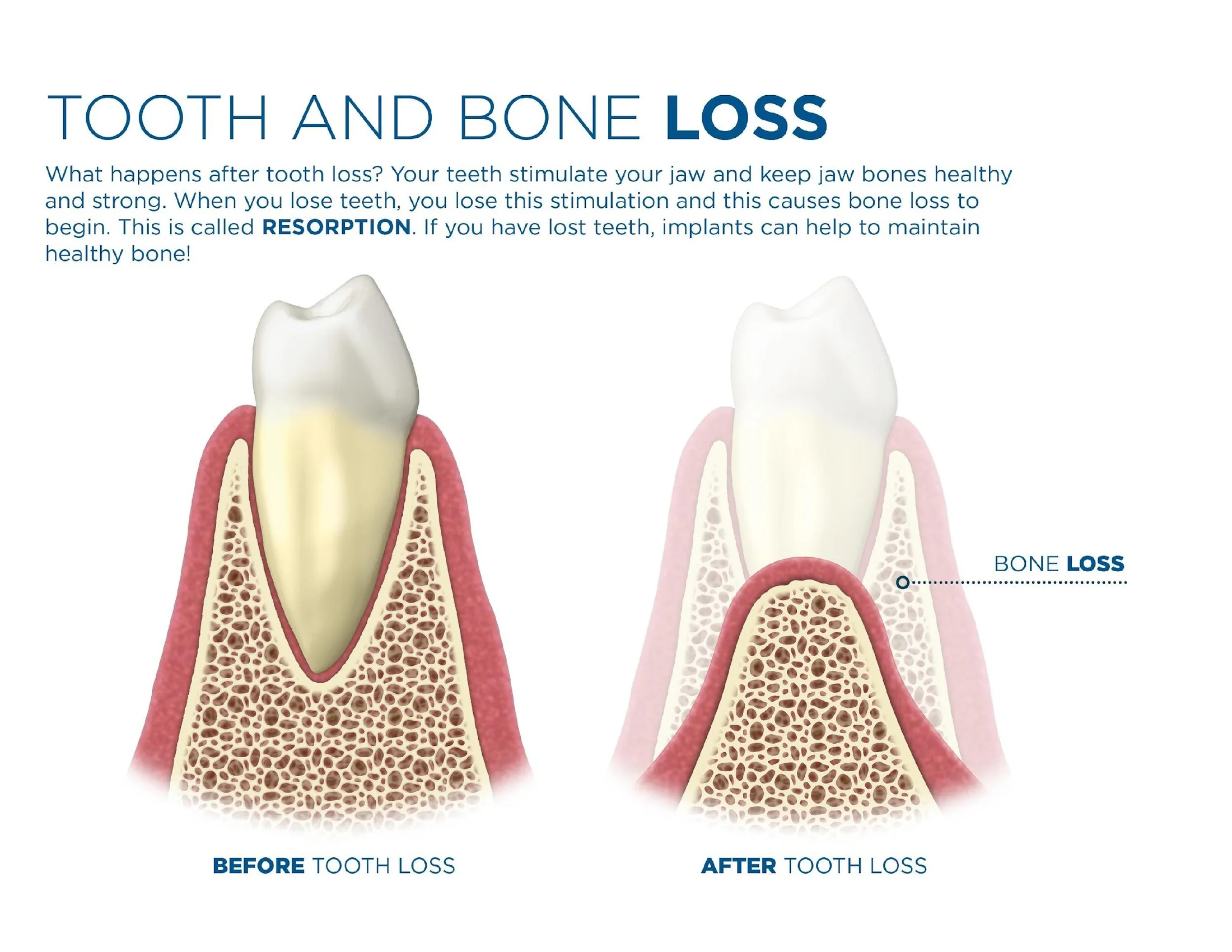
In implant studies, "survival" means the implant is still in the mouth and functioning. It is a strict, measurable endpoint, which is why researchers rely on it. It does not mean every surviving implant is perfect — a smaller share may have manageable issues such as gum inflammation around the post — but it does mean the foundation held. Understanding how implants are planned and placed helps explain why: once titanium integrates with bone, that bond is remarkably stable when it is kept healthy.
The Fixture and the Crown Age Differently
An implant is really two components with two different lifespans, and separating them avoids a lot of confusion:
| Component | What It Is | Typical Longevity |
|---|---|---|
| Implant Fixture | The titanium post fused with your jawbone | Decades; often the rest of your life with good care |
| Crown or Bridge | The visible porcelain or zirconia tooth on top | Commonly 10–15 years before wear justifies replacement |
Replacing a worn crown is a routine, non-surgical visit — the fixture in the bone stays exactly where it is. So when a crown reaches the end of its service life, the implant itself has not "failed" any more than a car fails when it needs new tires.
What Actually Shortens an Implant's Lifespan
- Peri-implantitis: The implant equivalent of gum disease. Plaque accumulating around the post inflames the tissue and, if untreated, erodes the supporting bone. It is the leading biological cause of late implant loss — and it is largely preventable with hygiene and professional maintenance.
- Smoking: Nicotine constricts blood vessels and impairs healing. Studies consistently associate smoking with higher rates of implant complications and failure, both during integration and years afterward.
- Uncontrolled diabetes: Elevated blood sugar slows healing and weakens the body's response to infection. Well-controlled diabetes, by contrast, is generally compatible with successful implant treatment.
- Bruxism: Chronic clenching or grinding overloads implants mechanically. Because implants lack the natural tooth's shock-absorbing ligament, unmanaged grinding can loosen screws, chip crowns, or stress the bone. A night guard is inexpensive protection.
The Maintenance Protocol That Protects Your Investment
- Brush twice daily along the gumline of the implant crown, exactly as you would a natural tooth.
- Clean between teeth daily with floss, interdental brushes, or a water flosser — the gum collar around the implant is the critical zone.
- Keep professional cleanings every three to six months, where instruments safe for titanium remove deposits you cannot reach.
- Get periodic X-rays so bone levels around the implant can be tracked and any change caught early, when it is easiest to treat.
- Wear your night guard if grinding has ever been noted on your exams.
Thinking in Cost-Per-Year Terms
Longevity is also the fairest lens for evaluating price. A restoration that functions for twenty or more years spreads its cost very differently than one replaced every eight. When comparing options, it helps to review implant fees and financing options with the expected service life in mind rather than the initial invoice alone. Dr. Tafreshi builds this long-view discussion into every implant consultation, because a well-placed, well-maintained implant is one of the few dental treatments realistically measured in decades.
Considering Dental Implants in Aliso Viejo?
Every smile is unique. Dr. Reza Tafreshi provides comprehensive 3D CT evaluations to assess your bone volume, restoration options (single implants, LOCATOR FIXED™, or All-on-4), and clear pricing before you commit.
- Complimentary 3D imaging & bone density assessment
- Direct coordination with our on-site dental laboratory
- Transparent pricing with zero hidden surcharges

Frequently Asked Questions
Scientific References & Studies
- Howe MS, Keys W, Richards D. (2019). Long-term (10-year) dental implant survival: A systematic review and sensitivity meta-analysis. Journal of Dentistry, 84:9-21.
- Moraschini V, Poubel LA, Ferreira VF, Barboza Edos S. (2015). Evaluation of survival and success rates of dental implants reported in longitudinal studies with a follow-up period of at least 10 years: a systematic review. International Journal of Oral and Maxillofacial Surgery, 44(3):377-388.
- MedlinePlus (U.S. National Library of Medicine). Dental Health — patient information on oral care and tooth replacement.[Source]