Porcelain Veneers vs. Composite Bonding: Which is Right for You?
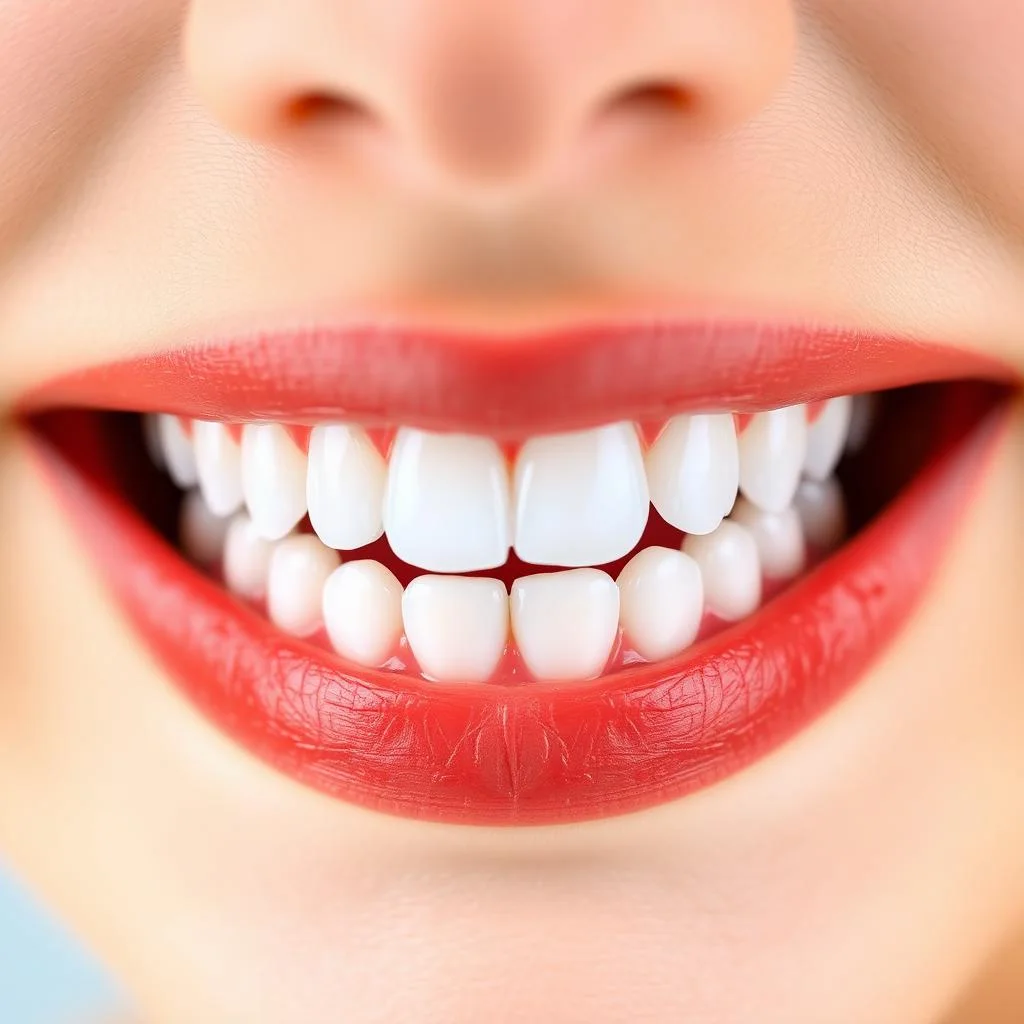
If you are looking to fix chipped enamel, close a gap, or whiten deep staining, cosmetic treatments can make a massive difference. The two most common and effective ways to transform a smile are porcelain veneers and composite bonding.
How Do They Compare?
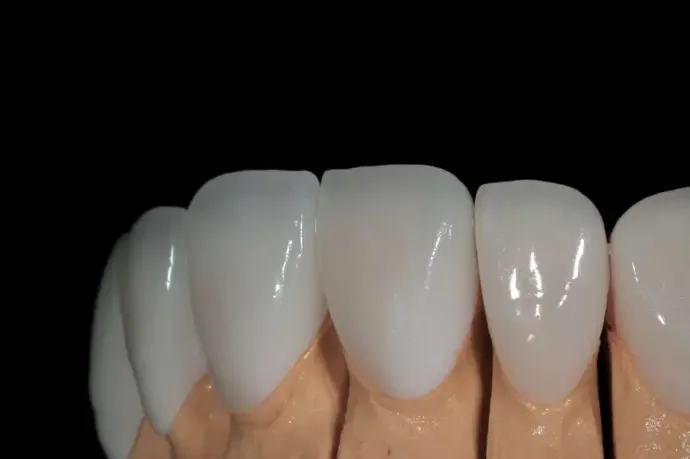
Porcelain veneers are custom-made shells of high-grade ceramic that are designed in a lab and bonded to the front of your teeth. Composite bonding uses a tooth-colored resin material applied directly to the tooth and shaped in a single visit.
Comparison at a Glance
| Property | Porcelain Veneers | Composite Bonding |
|---|---|---|
| Average Lifespan | Often 10+ years; results vary | 3 to 7 Years |
| Stain Resistance | Excellent (Glass-like ceramic resists pigments) | Moderate (Resin can absorb stains over time) |
| Tooth Preparation | Requires light polishing of enamel (approx. 0.5mm) | No enamel removal needed |
| Treatment Time | Usually 2 visits (made in our local lab) | Single visit (sculpted directly) |
Understanding the Clinical Lifespan
A 2021 systematic review of 25 clinical studies estimated porcelain laminate veneer survival at 95.5% at 10 years. Individual outcomes vary with material, preparation design, bite forces, oral health, and maintenance; evidence beyond 20 years is more limited.
Because composite resin is a softer material, it is more susceptible to chipping and slow wear under chewing forces. While it is more affordable upfront and requires no enamel adjustment, it generally needs to be refreshed or replaced every 3 to 7 years to keep looking its best.
If you want a natural-looking transformation that reflects light just like real enamel and resists staining from coffee or tea, porcelain veneers are typically the preferred choice.
Ready to Transform Your Smile?
From handcrafted porcelain veneers to professional in-office whitening and smile makeovers, Dr. Tafreshi works closely with our master lab ceramists to design a natural, radiant smile tailored to you.
- Direct collaboration with master lab for custom shade matching
- Conservative, minimal-prep veneer designs that protect enamel
- Personalized digital smile assessment and aesthetic review

Scientific References & Studies
- Alenezi A, Alsweed M, Alsidrani S, Chrcanovic BR. (2021). Long-term survival and complication rates of porcelain laminate veneers in clinical studies: a systematic review. Journal of Clinical Medicine, 10(5):1074.[PubMed PMID: 33807504]